What are Dental Implants?
Dental implants have revolutionized restorative dentistry, offering a long-term solution for many people.
They are a popular and effective solution for replacing missing or damaged teeth. Dental Implants serve as a durable foundation for fixed (permanent) or removable replacement teeth that are designed to match your natural teeth.
Learn more about San Antonio Dental Implants, what they are and how they work.
The implants themselves are tiny titanium posts that are surgically placed into the jawbone where teeth are missing. These metal anchors act as tooth root substitutes. The bone bonds with the titanium, creating a strong foundation for artificial teeth. Small posts that protrude through the gums are then attached to the implant. These posts provide stable anchors for artificial replacement teeth.
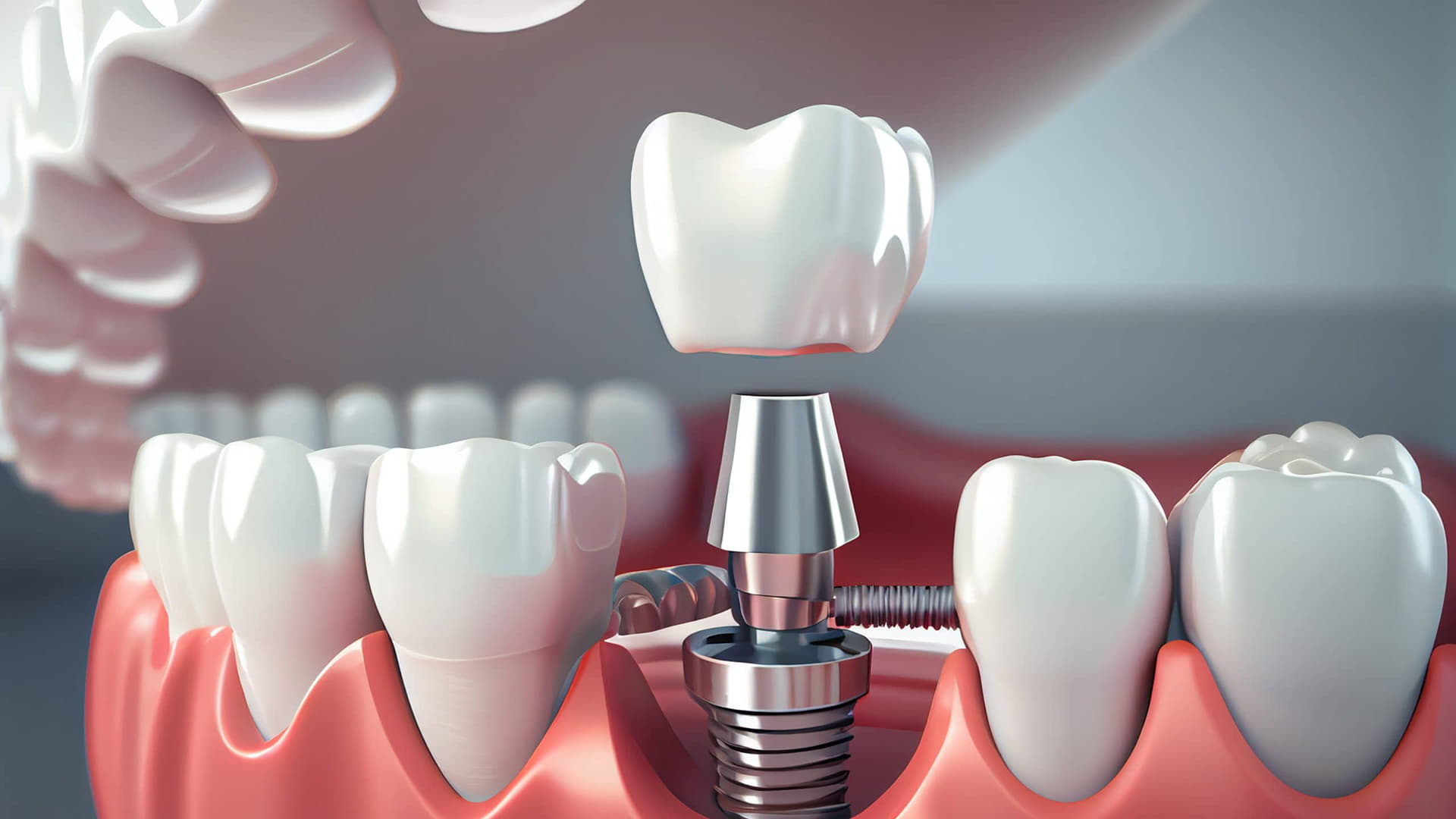
A typical dental implant consists of three parts:
The implant: A screw-like fixture made of titanium or titanium alloy, which is inserted into the jawbone to serve as a root for the artificial tooth. This part integrates with the bone tissue in a process called osseointegration, providing stable support for the artificial teeth.
The abutment: A connector placed on top of the dental implant to hold and support the crown. The abutment can be attached to the implant either during the initial surgery or after the implant has bonded to the jawbone, depending on the implant system used and the clinical situation.
The crown (or prosthesis): The part of the implant that looks like a tooth. It can be made of various materials, including porcelain or ceramic, which can be matched to the color of your natural teeth. The crown is attached to the abutment.
The process of getting dental implants involves several steps and can take several months from start to finish. It typically involves:
- Initial consultation, including exams and imaging to plan the treatment.
- Placement of the implant into the jawbone. This is usually done under local anesthesia, and sometimes sedation or general anesthesia is used depending on the case.
- A healing period (osseointegration), which can last several months, allows the implant to bond with the jawbone.
- Placement of the abutment, which may require a minor surgical procedure to expose the implant and attach the abutment.
- Finally, the custom-made crown is attached to the abutment.
Dental implants offer several benefits over other tooth replacement options, such as dentures or bridges. They provide a more natural look and feel, improved oral health and function, and durability. Implants also help preserve the jawbone and prevent bone loss, which can occur with the loss of teeth.
While dental implants have a high success rate, their suitability can depend on several factors, including the health of the patient’s jawbone, overall health, and lifestyle factors such as smoking, which can affect the healing process.

Are you a Candidate for Dental Implants?
Do you have missing or bad teeth that you’re tired of dealing with? Dental implants might be the solution for you! To be a candidate, you need to be in good oral and overall health, with healthy gums and sufficient bone density in your jaw. Even if you’ve experienced bone loss, you may still be eligible for implants thanks to advancements in diagnostics and bone reconstruction techniques. Lifestyle habits like smoking or certain medical conditions could affect healing after surgery, but San Antonio Advanced Dental Implants we’ll work with you to find the best restorative option for your needs.
Contact Us For More Information.
Determining whether you are a good candidate for dental implants involves several factors that that Dr Woods Woolwine will assess, starting with a complimentary consultation.
Here are some key considerations.
Good candidates for dental implants are generally in good overall health. Systemic diseases, such as diabetes or osteoporosis, can affect your body’s healing process and might influence the success of the implant.
Your oral health is crucial. You should have healthy gums free from periodontal disease. Gum disease can jeopardize the success of the implant due to the risk of infection and insufficient support for the implant.
Adequate bone density in your jaw is essential to support the implant. Bone loss can occur due to several reasons, including osteoporosis or the long-term absence of natural teeth. If you have insufficient bone density, you might still be able to get implants, but you may first require a bone graft to provide adequate bone for the implants.
Smoking and alcohol consumption can affect the healing process after an implant is placed. Smokers, in particular, may have a higher risk of implant failure. It’s recommended to quit smoking before undergoing the implant procedure to increase the chances of success.
Implants require meticulous oral hygiene and regular dental visits for cleaning and check-ups. A commitment to taking care of the implants is crucial for their long-term success.
Dental implants are typically recommended for individuals who have completed bone growth, which usually occurs in late adolescence. There’s no upper age limit for dental implants, if the individual is in good health and meets the other criteria.
The Benefits of San Antonio Dental Implants?
Envision a future where you’re missing, or bad teeth are replaced with durable, beautiful dental implants. Say goodbye to fillings, crowns, cavities, and root canals. Instead of constantly repairing compromised teeth, you can opt for a long-lasting dazzling smile with implant teeth.
Learn more information about the benefits of San Antonio Dental Implants.
Dental implants are designed to look, feel, and function like your natural teeth. They are anchored securely into your jawbone, which helps them provide a level of comfort and functionality that is similar to natural teeth.
San Antonio Dental Implants are made from biocompatible materials, such as titanium, which integrate with your jawbone through a process called osseointegration. This strong bond makes dental implants very durable, often lasting a lifetime with proper care and maintenance.
When you lose a tooth, the jawbone in the missing tooth’s area can begin to deteriorate over time because it no longer receives stimulation from chewing. San Antonio Dental implants stimulate the jawbone, mimicking the stimulation provided by natural teeth, which helps to prevent bone loss and maintain the structure of your face.
Unlike traditional bridges, dental implants do not require altering the neighboring teeth. This means that more of your original teeth are left intact, improving long-term oral health. Additionally, individual implants allow easier access between teeth, improving oral hygiene.
Poor-fitting dentures can slip within the mouth, causing you to mumble or slur your words. Dental implants allow you to speak without the worry that teeth might slip.
Because they become part of you, implants eliminate the discomfort of removable dentures.
Sliding dentures can make chewing difficult. San Antonio Dental implants function like your own teeth, allowing you to eat your favorite foods with confidence and without pain.
Dental implants have a high success rate, which, depending on the health of the individual receiving the implant and the expertise of the professional performing the implantation, can be significantly higher than other tooth replacement methods.
Missing teeth can affect your self-esteem. Dental implants can give back your smile and help you feel better about yourself.


Meet Our San Antonio Dental Implant Doctor
Why Our Patients Love Us
Contact us Today for a Complimentary Consultation
Lorem ipsum dolor sit amet, consectetur adipiscing elit. Ut elit tellus, luctus nec ullamcorper mattis, pulvinar dapibus leo. luna-slots.de